06
Mar
Why You Need A Long-Term Vision
Every move a company makes sends a message to its customers and employees. A decision you make today may benefit your company right now. But, you also have to ask: is it the right move for the long-term goals of the company?
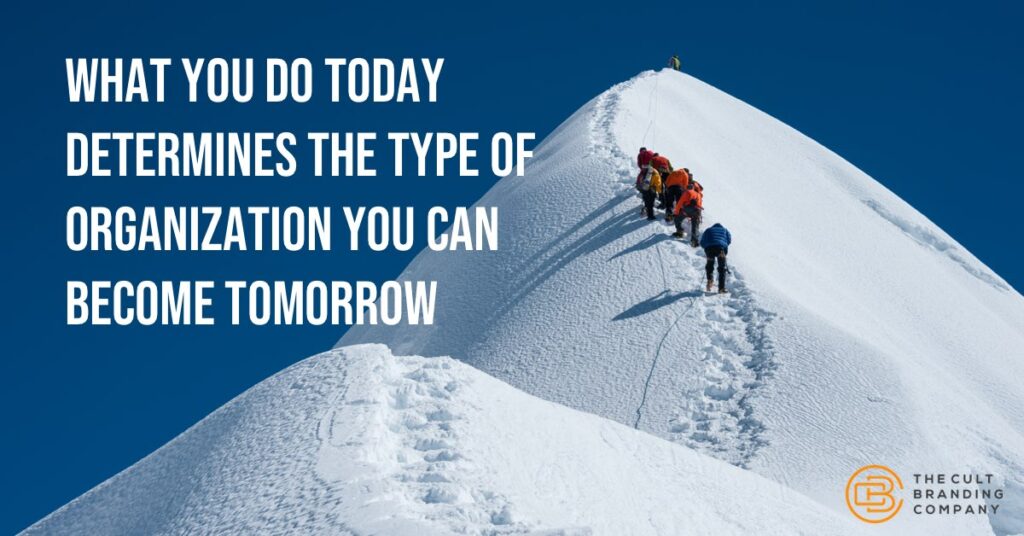
What you do today determines the type of organization you can become tomorrow.
Without a vision, it’s impossible to determine how today’s decisions will contribute to the future. The vision allows you to ask: Does this decision push the organization further towards that ultimate goal? Does it change nothing over the long-term? Does it only benefit the organization today, making it harder to get back on track to achieve the long-term goals?
![To be an effective leader, you have to be a really good listener. And, not to what’s being said, but to what’s not being said. You have to be really observant. That was a big transition for me: I went from being a scorer and a floor general to being a leader. And, that meant putting others first. That means not worrying about: Are you in rhythm? Are you playing well in this game? Are you ready to go? [It means going] to being: Are they ready? What can I do to help them be ready? That’s the big transition to make. You’ve gotta observe them, because they all have things they want to accomplish as individuals. And, as. Leader you’re like, “Okay, what are those things?” And, how can I help them accomplish that within the system, the structure that we are trying to do collectively. —Kobe Bryant](http://cultbranding.com/ceo/wp-content/uploads/2020/02/Leadership-Leaders-Kobe-Bryant-1024x643.jpg)