Browsing Category

Marketing

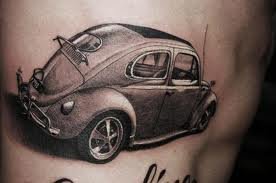
Official Volkswagen Beetle Cult Brand Profile

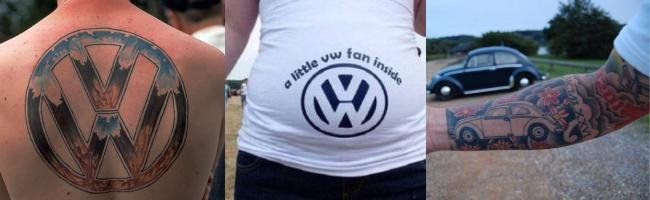
VW brand lovers

Contents

Certified Cult Brand
We have tracked businesses with unprecedented brand loyalty since 2001. A Certified Cult Brand is a designation we hold for brands that fulfill specific market criteria, including upholding the Seven Rules of Cult Brands.

VW Beetle Quick Stats

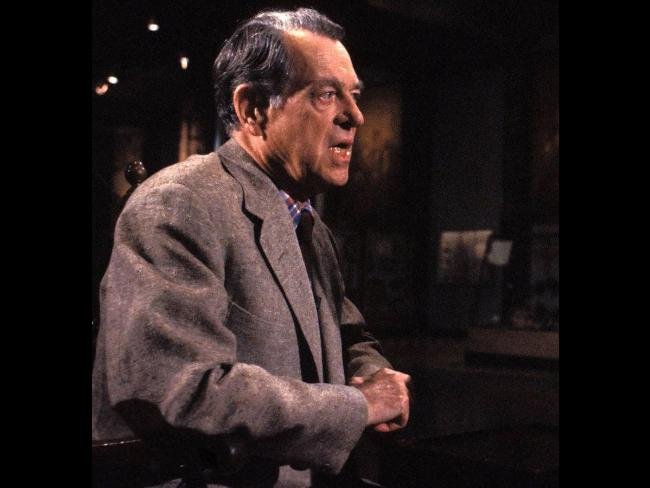
Dr. Ferdinand Porsche (1875-1951) was the creator of the bettle

With over 21 million manufactured, the Beetle is the longest-running and most-manufactured automobile of a single design platform anywhere in the world.

Henry Ford considers buying VW, but then declined; 24 years later, Beetle would out-sell Ford Model T.

With its sealed floor pans and body, the Beetle could indeed stay afloat for several minutes, as was advertised in the Sixties.

The VW Beetle Herbie has starred in six movies.

VW Beetle Cult Brand Summary

Today the Beetle is regarded as arguably the best-selling car of all time, but back in 1948 it was unknown in the U.S., and many sales types believed no one would ever buy, partly because of its association with Nazi Germany–being dubbed “the people’s car” by Adolph Hitler–still fresh in the public’s mind.

Despite initial failures at introducing the Beetle into America, Volkswagen remained undeterred. They brought twenty Beetles to the U.S. to a private showing in New York City and then to the First U.S. International Trade Fair in Chicago. It wasn’t an overnight success, but it started to get attention from the press and generated word-of-mouth buzz.

Given the opportunity to actually see and drive a Beetle, a significant chunk of the American public soon found themselves in love with the reliable and affordable little, German car. Virtually everything about the Beetle’s design screamed it was a car like no other: its air-cooled engine was mounted in the back, not the front, like every other domestic gas guzzler of the period, a configuration that made it more adept than any U.S.-made car of the time for safe driving in rain, sleet, and snow; it’s exterior design was unique, with its egg-shaped body standing in sharp contrast to the large and sleek, chrome-covered domestic behemoths of the period. The Beetle’s appearance oozed a curious combination of personality and practicality, which quickly helped build strong affection for it among its owners.

In addition to developing a unique design (the look), Volkswagen focused on developing a unique marketing message (the say and the feel) for the Beetle. In contrast to the advertising of the Detroit automakers of the 1950s and 1960s, which was full of slick copy and boastful claims, Volkswagen’s ads for the Beetle were frank, direct, and honest. Some of the more memorable early print ads included “Think small,” “Some shapes are hard to improve on,” and the cult-branding clincher, “Do you earn too much to afford one?”

The combination of unique design elements and honest advertising became a killer combination. By the early 1960s, the Beetle became a magnet for legions of Americans who saw themselves as being different. As Bug Talesauthor Paul Klebahn summed up: “The Beetle tended to appeal to freethinkers. This was the thinking person’s car. Instead of saying, look how much I paid for my car, it was look how much I didn’t pay!”

When Volkswagen launched the New Beetle in 1998, they made a conscious decision not to show any drivers in its ads. They wanted their funky-shaped and lovable car to be the center of attention, not an actor or actress. “In the New Beetle’s initial advertising, we never included people in the ads because we didn’t want a person to say, ‘Oh, that’s who drives a Beetle,'” explained Steve Keys, Director of Corporate Communications. “We wanted you to be able to say, ‘I can see myself in that car.'”

It was a good move: everyone from teenagers buying their first car to aging baby boomers hoping to recapture their youth purchased the car. Volkswagen benefited from not shrinking its potential audience of buyers: No one had trouble seeing themselves behind the wheel of a New Beetle.

VW Beetle Timeline

Timeline provided by: http://www.cqql.net/vw.htm

1933 – Dr. Ferdinand Porsche (1875-1951) draws first sketches of a simple little car that even the most common of citizens could own and enjoy on the autobahns.

1934 – Adolf Hitler commissions Porsche to develop the KdF-Wagen (“Kraft durch Freude” or “Strength through joy”), forerunner of what we know today as the Beetle.

1936 – At Berlin Auto Show, Hitler announces that Porsche will design “the People’s Car;” Porsche promises Hitler he will produce three prototypes by year’s end.

1937 – First road test on prototypes

1938 – Thirty prototypes (called Series 30) completed

1939 – May 28: Ceremony commemorates laying of cornerstone of VW factory at Wolfsburg (would later become largest auto factory under one roof)

1940 – KdF-Wagen appears at Berlin Auto Show. Germany goes to war.

1942 – German army vehicles Kubelwagens built; German amphibious army vehicles Schwimmwagens built

1944 – Allied bombs destroy more than 2/3 of Wolfsburg factory
1945 – May: World War II ends. British forces take control of Wolfsburg area. Porsche interrogated by Allied Forces for his alleged connections to Nazis. Porsche is cleared, but then imprisoned in France with son Ferry for two years.

1946 – 1,785 cars constructed, mostly by hand; used as army light transport

1947 – Wolfsburg produces 19,000 cars; exported to Holland. Two hand-made convertibles constructed.

1948 – 20,000th Beetle produced. Beetle modified into convertible.Henry Ford considers buying VW, but then declines; 24 years later, Beetle would out-sell Ford Model T.

1949 – January 17: First Beetle bought in USA by Ben Pon. Max Hoffman becomes first importer.

1950 – 100,000th Beetle produced. 1,000 convertibles produced. Porsche celebrates 75th birthday; finally visits Wolfsburg plant; cries when he sees Beetles on Autobahn… his dream becomes reality.

1951 – January 10: Ferdinand Porsche dies.

1952 – First official gathering of Beetle owners. Canada imports its first Beetle.

1955 – April: VW of America formed. 1,000,000th Beetle produced.

1953 – 500,000th Beetle produced. VW plant opens in Sao Paulo, Brasil.

1957 – 2,000,000th Beetle produced

1959 – 3,000,000th Beetle produced

1960 – 4,000,000th Beetle produced

1961 – 5,000,000th Beetle produced

1962 – VW of America headquarters at Englewood Cliffs, NJ, dedicated. 6,000,000th Beetle produced.

1963 – 7,000,000th Beetle produced

1964 – 8,000,000th and 9,000,000th Beetles produced

1965 – 10,000,000th Beetles produced

1966 – 11,000,000th and 12,000,000th Beetles produced

1970 – Last year convertible Beetle in standard format is available (only convertible Beetles in Super Beetle format are available). Super Beetle produced.

1972 – February 12: 15,007,034th Beetle rolls off assembly line,breaks Ford Model T record for total production.

1974 – June: 11,916,519th Beetle produced at Wolfsburg rolls off assembly line, signaling the end of Beetle production at Wolfsburg plant.

1975 – Last year for Super Beetle production

1977 – Last year for standard Beetle in USA; only Super Beetle convertibles remain.

1978 – At Emden VW plant in Germany, last official German-built Beetle rolls off assembly line

1981 – 20,000,000th Beetle produced (in Puebla, Mexico)

1998 – Production model of New Beetle unveiled at Detroit International Auto Show

1999 – New Beetle turbo available to US dealerships

2003 – July 30: Last Beetle (21,529,464th!) rolls off assembly line (in Puebla, Mexico)

2012 – New VW Beetle design is unveiled at the New York Auto Show.

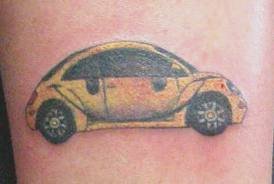
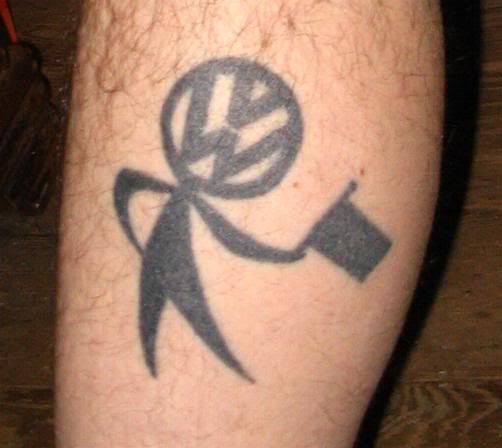
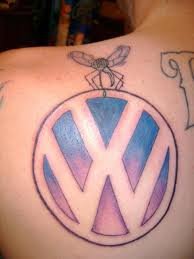
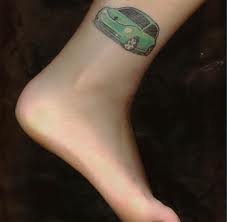
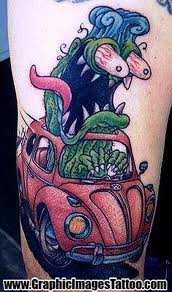
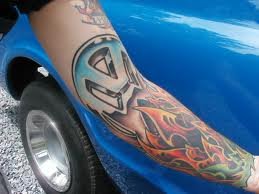
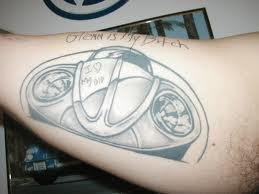
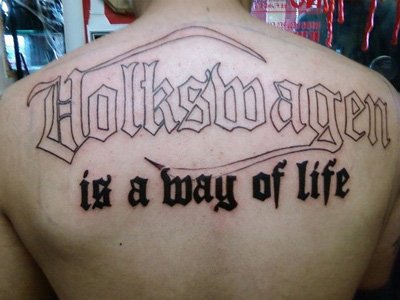
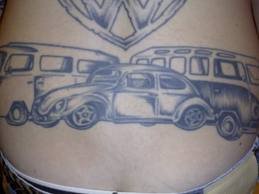
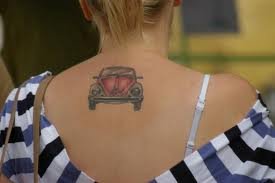
Images of VW Beetle Brand Lovers

Videos Created By VW Beetle Brand Lover

Presentations About VW Beetle As a Brand

Article related to VW Beetle

Buggin’ Out: A collection of VW Owners Gather to Share Their Love

VW Beetle Related Web Sites

http://www.sjvwc.net

http://twitter.com/#!/VWbeetles

http://www.theclassicbeetle.com/

Facebook VW Beetle Fan Page
https://www.facebook.com/group.php?gid=60380013950

Browse Cult Brands

A Purpose-Driven Business

A Purpose Driven Business
THE BIG IDEA: Today’s article asks executive leaders to take a step back and evaluate their business with some big questions that underlie the foundation of their enterprise.

__________________

If you were asked by someone to define your business, how would you answer?

  • Would you explain what services you provide?
  • What products you manufacture or sell?
  • What makes you different from your competitors?

Management guru Peter Drucker suggests that there is only one true way to define a business: by the want the customer satisfies when she buys a product or a service from you.

Satisfying the customer’s want is the purpose of every business.

What Business Are You In?

How, then, do you answer the question: “What is our business?”

You look at your business from the outside; you take the customer’s and the market’s viewpoint.

Drucker explains: “What the customer sees, thinks, believes, and wants, at any given time, must be accepted by management as an objective fact and must be taken as seriously as the reports of the salesperson, the tests of the engineer, or the figures of the accountant.

“And management,” Drucker continues, “must make a conscious effort to get answers from the customer herself rather than attempt to read her mind.”

Drucker wrote this in Management: Tasks, Responsibilities, Practice, originally published in 1973. Over four decades later, his words are just as relevant—and just as often ignored.

How to Define Your Business

To more precisely define your business, Drucker offers two powerful questions:

  1. Who is the customer?
  2. What is value to the customer?

The first question is a master work in itself. How deep you go in defining your customer is an indication of your commitment to serving your customers. Last month, we offered seven customers insights we feel every CEO should investigate.

The second question is very important too. Most business leaders may be certain they know the answer, but, Drucker points out, they are almost always incorrect.

Why? Because business executives tend to define value based on what they perceive as value.

What Do Your Customers Value?

“The customer never buys a product,” Drucker writes. “By definition the customer buys the satisfaction of a want. He buys value.”

For a teenage boy who buys a pair of Vans shoes, that value might be identification with a subculture.

For a 35-year-old mother shopping at Target, that value might be fashion and convenience.

For a 55-year-old executive ordering on Zappos, that value might be breadth of selection.

Different customers value different things. Drucker points out that the question of value is so complicated that management shouldn’t even try to guess the answer.

You have to go directly to your customers.

A Crash Course in Social Marketing

THE BIG IDEA: The study of Cult Brands reveals a wealth of information about human behavior and the mechanisms behind effective social marketing. Today’s article is a launchpad for chief executives interested in expanding their understanding of this discipline.

__________________

Do you sell products or experiences?

Do you focus exclusively on profits or inclusively as a community?

Do you try to copy your competitors or demonstrate courage and dare to be different?

These are some of the questions that assess if your company is moving closer to your customers or further away.

The topic of social marketing is important to chief executives because it puts a magnifying glass on the companies that most excel at moving toward their customers. This specialized study brings meaning to concepts like “customer loyalty” and “brand loyalty.”

Some of the most successful social marketers are Cult Brands because they draw from the power of humanity. If you’re new to this topic or interested in deepening your knowledge, here are a selection of past articles that will give you the competitive edge:

Social Marketing Fundamentals

A host of defining principles enable businesses to tap into the social and psychological lives of their customers:

What Are Cult Brands

A closer look at what Cult Brands are (and what they are not).

Seven Rules of Cult Brands

All Cult Brands knowingly or unconsciously adhere to these seven powerful principles.

How to Start a Cult

Explores five psychological reasons people join groups and seven steps to creating a cult, tribe, movement—whatever you’d like to call it.

Why Maslow’s Hierarchy of Needs is Crucial for your Business

Psychologist Abraham Maslow has greatly influenced our understanding of Cult Brands. His categories of human needs help explain both consumer motivation and organizational behavior. Psychologist Clayton Alderfer’s adjustments to Maslow’s theory of motivation are insightful too.

What Social Marketers Do Differently

Customer-centric businesses harness the social forces of their customers in specific ways:

A Big Mistake Most Retailers Make

Cult Brands sell experiences and lifestyles, not products.

How Cult Brands Tap into Higher Values

Cult Brands go beyond just helping customers meet basic human needs to helping them realize higher level needs as well.

How to Draw Power From Your Enemies

Cult Brands sell freedom.

How Cult Brands Create Loyal Customers

Cult Brands give their customers a sense of belonging and more positive self-esteem.

How Cult Brands Create Magical Experiences for Customers

Many Cult Brands set up the conditions for “participation mystique” that enables customers to express a deeper part of themselves and forge strong bonds with each other.

A Masters Degree in Human Nature

In the final analysis, the study of Cult Brands is a study of human beings: their needs, tensions, desires, dreams, motivations, and values.

Reading the above articles won’t win you any business degrees, but it will profoundly alter how you perceive your customers.

It may even alter your organization’s approach to serving your fellow human beings who graciously give you their business (thereby fueling your business).

When this relationship between company and customers is fostered consciously, it forms a symbiotic exchange of value. Both company and customer are elevated. Everyone wins.

Onward!

How Symbols Serve Inspired Leaders

THE BIG IDEA: Leaders throughout history have used symbols and metaphors to move people to action. This article explores the significance of symbolic imagery and how it can be applied in business for effective communication.

__________________

With wings spanning over six feet long, the eagle soars over the trees. Its powerful, flapping wings sound like the mighty wind. Its strong feet and curved talons comfortably grasp prey twice its size. Landing gracefully, it remains perched at the summit in all its majesty and glory.

The eagle—the king of birds—is a symbol of strength, vitality, power, and omniscience. Its greatness has inspired comparison to the sun, earthly rulers, and imperial nations.

The eagle appears on the United States Presidential Seal as a symbol of power. This eagle holds an olive branch in one talon to symbolize peace and 13 arrows (for the original 13 colonies) in the other, representing the willingness to defend the country.
US-GreatSeal

Symbols and their Meaning

We question things. Our inquiring mind is the distinguishing feature that separates Homo sapiens from the rest of the animal kingdom.

We question our existence. Why are we here? What happens after death? What is the meaning behind the phenomena around us?

Through our questioning, we have developed systems of belief. At the core of these belief systems are symbols.

A symbol is a visual image that represents an idea. Water, for example, symbolizes the moon, the feminine life-force, and the unconscious. Fire symbolizes the sun and the masculine life-force that surrounds us.

Every image—everything you can see with your eyes and in your mind’s eye—has symbolic counterparts.

When you see a ladder, your conscious mind sees a tool for climbing to higher places. Symbolically, the image of a ladder serves as a reminder of a psychological climb toward self-awareness or a spiritual climb to a higher truth.

Most of us are not conscious of symbolic meaning. We see a ladder as a ladder. But that symbolic meaning lies deep in our minds, at subconscious and unconscious levels.
Symbols-Caduceus
The caduceus is the symbol of the medical profession. The center is the mythical wand of the Greek god Hermes who used it to bestow sleep. The twin snakes coiled around the wand symbolize healing and poison, health and illness.
Symbols-Olympic_Rings
The five Olympic rings symbolize the union in sports of Africa, America, Asia, Europe, and Oceania. The colors represent competing nations. (One color was on each nation’s flag when the rings were conceived in 1913.)

Symbols in Modern Business

Brand logos is not a new phenomenon. The Ancient Egyptians, Greeks, Romans, and Chinese all stamped their goods, like bricks, pottery, and bags of herbs, with symbols to indicate who made them.

But in the 19th Century, trademarks became more than marks of origin, they became badges and symbols, representing the personality of the brand.
Symbols-Southwest-Airlines-Logo
Southwest Airlines flies its passengers with a big red heart at the belly of their planes. The heart is a symbol of the spiritual and emotional core of a human being, widely associated with love. (Not surprisingly, love is one of Southwest’s superpowers. It’s also their ticker symbol: LUV.)
Symbols-Apple-logo
A few months ago, we  discussed the symbolic significance of Apple’s logo. The apple is a symbol of knowledge, awakening, creativity, and beauty.
Symbols-Mercedes-Benz_logo
The three-pointed star in the Mercedes-Benz logo reportedly came from inventor Gottlieb Daimler’s dream of building motor vehicles for land, air, and sea.

But the star itself is an ancient symbol. For thousands of years, stars have oriented humans wandering in the darkness. The star represents something inside of us that is visionary, starlike. It is a symbol of the Self—a higher part of us—of wisdom, guidance, and destiny. Mercedes owners are guided by this symbol whenever they get behind the wheel.

Symbolic Images and Feelings

These symbolic images of our collective nature are found throughout the world, in our myths, dreams, and fantasies. Polymath Adolf Bastian called them elementary ideas. Jung called them archetypes.

For Jung, archetypes aren’t just elementary ideas. They also represent elementary feelings, fantasies, and visions.

Archetypes are simultaneously images and emotions. An image becomes dynamic when it is charged with emotion. Without emotion, the image cannot speak to us.

Symbolic images act as doorways to the inner worlds of both your employees and your customers. This inner world is the home of our fantasies, imagination, and emotions. They are the source of life’s richness. Without emotions, life is, well, lifeless.

Archetypes, Jung explains, “are the pieces of life itself—images that are integrally connected to the living individual by the bridge of the emotions.”

Images tap into the emotions of our inner worlds and give life a sense of meaning. Symbolic images are powerful because they provide this shortcut to meaning.

How Inspired Leaders Use Symbols to Move People

Remember that human beings—both your employees and your customers—are not moved, persuaded, or influenced by thoughts and words. We are moved by feelings, emotions, and images.

Inspired leaders communicate with passion, purpose, and vision. They use metaphors, analogies, illustrations, stories, and anecdotes to convey their ideas. Metaphors, in fact, are how archetypes first express themselves.

A metaphor, if you recall, is a figure of speech that uses an object or idea to represent a specific meaning that is otherwise difficult to convey. A metaphor suggests a resemblance; it uses a symbol to transfer meaning from one idea to another.

A study on presidential leadership and charisma examined the use of metaphors in the first-term inaugural addresses of 36 presidents. Each president was independently rated on their level of charisma. The researchers found that charismatic presidents used nearly twice as many metaphors as non-charismatic presidents.

Metaphors intrigue cognitive scientists because they are so effective at changing the way people think and behave. Metaphors allow large amounts of information to be assimilated, retained, recalled, and applied quickly.

Lincoln and the Power of Metaphor

Aristotle writes in Poetics, “To be a master of metaphor is a sign of genius, since a good metaphor implies intuitive perception of the similarity in dissimilars.”

Abraham Lincoln used the persuasive power of metaphor and symbols liberally in his speeches. His Gettysburg Address is a 270-word testament to his mastery of metaphor.

For persuasive impact, Lincoln used metaphors of birth, death, and resurrection in his address. It begins, “Four score and seven years ago our fathers brought forth on this continent, a new nation, conceived in Liberty, and dedicated to the proposition that all men are created equal.”

In this powerful opening sentence, Lincoln calls forth imagery of birth in four places (italicized above).

Harnessing the Power of Symbolic Imagery

The right symbolic image or metaphor can evoke a powerful sensory experience in your team members, igniting a desired pattern of behavior. They can help establish a thriving corporate culture, infusing passion into your organization.

The right symbolic images can also become powerful attractors for a certain breed of customers: your Brand Lovers for whom your business is especially for.

Business leaders that harness the power of symbolic images can forge ahead with clarity, humility, creativity, and inspiration.

Archetypes and the Fate of Your Business

THE BIG IDEA: All businesses are run by archetypes. Some know it. Most don’t. When you understand how archetypes work, you can better position your business in the marketplace, attracting the right employees and loyal customers.

__________________

Why do tens of thousands of riders flock to Milwaukee for Harley-Davidson’s annual rally?

Why do hundreds of customers camp outside of IKEA’s latest store opening?

Why do over a thousand Motorers drive over 5,000 miles across the United States in MINI’s Take the State tour?

What are these brands doing to create cult followers? And what can it teach us about creating customer loyalty?

Needs: The Biological Drivers of Human Behavior

These unusual businesses—Cult Brands as we call them—achieve this unusual level of loyalty because they do more than just sell products or services.

They help fulfill their customers’ human needs, creating experiences steeped with emotion.

These human needs stem from instincts and operate at the deepest level of our biology.

Much of human behavior is a consequence of our attempts to meet these needs.

As you’ll recall, psychologist Abraham Maslow arranged these human needs in a hierarchy, with higher-level needs less likely to be fulfilled.

These needs, in ascending order, are biological/physiological, safety, love and belonging, esteem, cognitive, aesthetic, self-actualization, and transcendence.

The lower level needs, sometimes called existence needs, are fundamental and essential to daily life. Humans focus on meeting these needs first.

Higher Level Needs: What Cult Brands Do Differently

While most businesses help customers address lower level needs (as a supermarket provides food and water at the biological level), Cult Brands leverage higher-level needs to develop mutually beneficial relationships with their customers.

Cult Brands like Harley-Davidson, Vans, and Linux play to the esteem needs for freedom.

Nike and Under Armour hit on the esteem needs for dominance and mastery.

Apple supports the aesthetic need for creative self-expression. Oprah champions the self-actualization need for personal growth.

Maslow’s hierarchy helps explain why customers love their favorite brands, but it isn’t the whole story.

Archetypes: The Psychological Drivers of Human Behavior

In addition to the biological motivations categorized by Maslow, there are also psychic influences. In psychology, psyche means the totality of the human mind, including both conscious and unconscious processes.

Psychiatrist Carl Jung observed that the psyche consists mainly of images. Many of these images are of a collective nature. They are found all over the earth in our myths, dreams, fairy tales, and legends. He called these primordial images archetypes.

Archetypes explains consumers’ love for their favorite brands at the level of the psyche.

Archetypes are universal mental images. They set the patterns of behavior for our interaction with the world. We inherit these images in our brain structure.

Instincts: The Forces Behind Archetypes

Jung described archetypes as “instinctual images” or “the forms which the instincts assume.”

Instincts are physiological urges. Our senses perceive them. But simultaneously, instincts come alive in fantasies and in symbolic images, that is, in archetypes.

This means that archetypes and instincts go hand in hand. For this reason, archetypal images trigger set patterns of behavior designed to actualize the images.

No matter what image of the Hero you hold in your mind, for example, certain patterns of behavior and personality traits come to mind like bravery, valor, persistence, and action.

Examples of archetypes include the Mother, Father, Warrior, Sage, Hero, Caregiver, Genius, Outlaw, Magician, Mentor, Actor, Athlete, Philosopher, Peacemaker, Prostitute, Artist, Adventurer, Maverick, Monk, Entertainer, Jester, Villain, and Vampire. But, ultimately, every word or image can represent an archetype.

When you think of archetypes, think of instincts or set patterns of behavior shared by all of humanity.

Archetypal Clusters: Nike and Under Armour

Archetypes don’t operate in a vacuum. Archetypal images tend to cluster together, like a constellation of stars. These archetypal clusters share certain personality traits.

The archetypes of the Warrior and the Athlete, for example, share many of the same qualities, including strength, endurance, courage, and fearlessness.

But each archetype also emphasizes certain traits: The Athlete has a disciplined mindset with a persistence toward a certain achievement. The Warrior, in contrast, emphasizes conviction and dominance.

Both Nike and Under Armour play to this archetypal cluster. In the ads of both brands, you’ll find serious, rugged expressions; Warriors and Athletes aren’t jovial and lighthearted.

Nike predominantly capitalizes on the Warrior archetype by using battle imagery in its depiction of athletes. They tend to use top professional athletes in their campaigns, playing on the projected ideal of the dominant Warrior archetype.

Under Armour hits on the Warrior, but focuses more on the Athlete. Instead of using celebrity athletes, Under Armour uses everyday athletes in their advertisements (which arguably make the brand more accessible to its customers).

Ultimately, customers who buy Nike and Under Armour products associate themselves with both the Warrior and Athlete archetypes, to varying degrees. They are also fulfilling their esteem needs of dominance, mastery, and achievement.

Remember, human needs and archetypes dance together, one supports and uplifts the other.

Long-term Success: Know Your Business’s Archetypes

Knowing your business’s archetypes is like knowing the DNA of your organization. It is from these fundamental symbolic images that all of the desired behavior for employees and customers spring.

Under Armour’s Baltimore, Maryland headquarters houses a 10,000-square-foot state-of-the-art gym that hosts group fitness classes and competitions. Athletic warriors need a training ground. Under Armour is a company of athletic warriors serving athletic warriors. (They call them “empowered athletes.”)

Creating an irreplaceable position in your customer’s mind takes conscious effort and consistency. When you know your archetypes, you can ensure consistency throughout all of your marketing efforts, including product development and communication.

Your goal is twofold:

  1. Uncover the symbolic images and emotions that best express what your business is about in the context of your customers’ lives.
  2. Determine the humans needs your customers are trying to fulfill when your archetypes are active in their minds.

These are key consumer insights that can transform the future of your business. Once you have these insights, find creative ways to consistently play to and express these images and needs in ways that are meaningful to your customers and your employees.

_____

P.S. Listen to BJ Bueno discuss the future of retail with SAP’s Global Vice President’s Nancy Case and best-selling author Scott McKain, titled, Retail Relevancy: Distinction Trumps Differentiation.

Retail’s Secret Weapon


THE BIG IDEA: In a demanding retail environment where customers shop online more frequently, retailers with physical spaces have an opportunity to create atmospheres where customers want to gather, not just shop.

__________________

You have an hour to meet with a friend to catch up.

Or, you and a colleague want to brainstorm a new product idea outside of the office.

Or, you have a free Saturday out with your two daughters.

Where do you go?

Our primary and most familiar setting is our home. The second most familiar is our workplace. We most often interact in these two places.

The Third Place

Sociologist Ray Oldenburg coined the term “third place” to distinguish a location where people meet and gather outside the home and office.

Neuroscience continues to confirm Aristotle’s observation: we are social animals. Social animals have a need to gather, connect, and interact with one another.

As we’ve learned from Maslow’s work, we all share the basic human need to feel like we belong.

But where can we gather? On a warm, sunny day, we can go to a park. The rest of the time (especially for most urbanites), we end up at Starbucks.

Food and Drink

Starbucks consciously used the third place concept to insert itself into the American urban landscape more swiftly than any retailer in history. CEO Howard Schultz came to the idea after a trip to Italy in 1983 where he was inspired by their coffee bars and the gestalt of the Italian coffee experience.

Third places often involve food and drink. Not only does eating and drinking support basic biological needs, eating and drinking together help strengthen social bonds.

Not surprisingly, many retailers have integrated food and drink into their in-store experience. IKEA sports its own restaurant at numerous locations. Whole Food Market goes a step further, offering juice bars, icecream stations, self-serve hot food with cafeteria seating, and even a wine bar. Numerous retailers, including Barnes & Noble, have licensed Starbucks stores within their retail spaces.

What would your local mall be without a food court? It’s in the space between the mall’s stores that provide an atmosphere to gather, especially if you’re a teenage mallrat.

Creating a third place, however, isn’t just about having food and drink. Costco, Target, Wal-Mart, and Sam’s Club have their own eateries in most locations, but you’re unlikely to want to hangout there.

Panera Bread Company, in contrast, has consciously created a warm, cozy atmosphere with comfortable seating. Their environment invites you to stay, catch up with friends, check your email, or read a book.

A Dark Future For Brick and Mortar Retail?

Will the Internet eventually make retail locations obsolete?

It’s a familiar question to any executive that trudged through the early days of the Internet jungle. Dotcoms were in. Brick and mortars were dinosaurs.

Then, the initial Internet hysteria broke. The future of retail didn’t look so dim. Hybrid terms like “click and mortar” and “brick and click” came into being. Happily, we haven’t seen those terms in print lately. (Until now. Sorry about that.)

But this question on the future of physical retail space seems more relevant now. With total B2C online shopping sales in the U.S. expected to hit $304 billion this year and mobile sales estimated to reach $114 billion (a 60% increase over last year), it’s fair to question the future of physical retail.

Amazon.com’s annual revenue is expected to break $100 billion this year. With free shipping, ultra-fast service, unparalleled product selection, a massive community of product reviewers, competitive pricing, and superior customer service, they are a force to be reckoned with.

A Shining Light in Retail’s Future

With the convenience of online shopping on Amazon.com and the rest of the big box retail family, do customer’s have a reason to enter your store?

For many retailers, the answer is no. Retailers with environments set up solely to convert the next transaction will likely continue to become less relevant to their customers.

Remember that humans need places to gather. Your customers want to feel like they belong. This need represents a tremendous opportunity for smart, customer-oriented retailers.

The Opportunity for Savvy Retailers

When you think of a 65-foot ferris wheel, simulation shooting galleries, roller ball bowling alleys, a 16-gallon saltwater fish tank, sports simulation games, and 24 flavors of homemade fudge, you probably don’t think of retail.

But if you’re a customer of Scheels, living within driving distance of one of their 24 locations, that’s your shopping experience.

With over 200,000 square feet of retail space, you aren’t just entering a big store, you’re entering the Scheels experience. And you’re not doing it alone: You’re taking your whole family. It’s a destination, a really big third place.

Customers travel from far distances with their family to go to Scheels. Sure, they can buy their family’s sporting goods and apparel online or at a local Sports Authority. But why just go shopping when you can see your kids light up on a ferris wheel or mesmerized looking at Nemo’s family in a massive fish tank?

The opportunity for retail may very well be in retail’s real estate. Retailers with physical space have an extraordinary opportunity to create spaces that offer meaningful experiences for their customers.

With thoughtfulness, creativity, and inspiration, you can cultivate a third place where your customers don’t just shop, but also gather and connect.

How are you making your customers feel at home when they enter your space?

Are you creating a meaningful experience for them?

Do your customers have a reason to return to your store again and again?

A Proven Method for Finding Your Brand Lovers

THE BIG IDEA: How do you build a marketing program that attracts the maximum number of customers while simultaneously fostering loyalty? You start by segmenting your customers based on their commitment toward your business.

__________________

Let’s meet three very different customers: Susan, Lisa, and Stanley.

Susan is looking for a stylish, new fall sweater. She makes her rounds to Target, Kohl’s, JCPenney, Macy’s, Banana Republic, and H&M. Susan is a non-committed shopper. We call her a Nomad.

Lisa needs a new pair of running shoes. She first stops at Dick’s Sporting Goods. If she doesn’t find something she likes or if they don’t have her size, she’ll drive over to Gander Mountain or perhaps Sports Authority. Lisa relates to Dick’s first. We call her an Enthusiast.

Stanley needs a new smartphone. He doesn’t have to research which one to get, he just has to walk into his local Verizon store and pick up the latest iPhone. Stanley loves Apple. We call him a Brand Lover.

Susan, Lisa, and Stanley represent three very different customers for your business: Nomads, Enthusiasts, and Brand Lovers. All three are important, but all three are NOT created equal. All three should not be given equal attention in marketing or product development.

The Customer Loyalty Continuum

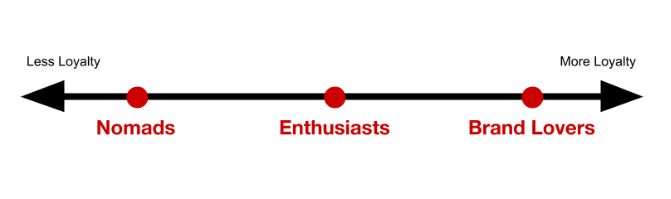
To help chief executives better differentiate between different classes of customers, we created the Customer Loyalty Continuum.

Visualize loyalty on a straight horizontal line with less commitment or loyalty toward the left and more commitment and increasing loyalty toward the right.

The-Customer-Loyalty-Continuum

Nomads are consumers who are not committed to any business in your category, nor are they even exploring a commitment.

Enthusiasts are consumers who have a preference for one or more brands, but have not yet made a commitment to any one particular brand.

Brand Lovers are customers who are unapologetically committed to a brand, because in their eyes, there is no equal.

In essence, the Customer Loyalty Continuum places your customers on a gradient of love, like, and indifference.

Relational and Transactional Mindsets of Customers

You can also classify your customers based on their overall mindset. You have customers with a transactional mindset and others with a relational mindset.

Susan is an example of a customer with a transactional mindset. Transactional shoppers think first. They shop on convenience, price, and location. The commodity, rather than the brand, is the main factor that counts.

Stanley is an example of a relational customer. Relational customers feel first. They have an emotional connection to the brand. They will often purchase from the brand based on how they feel, rather than what they think.

Even in a downturn economy, Apple offers some of the highest priced products on the market, yet this doesn’t dissuade their customers from making repeat purchases. Rationally speaking, it doesn’t make sense. But emotionally, it does.

The farther you go to the left of the Customer Loyalty Continuum, the more transactional your customers are. The farther you go to the right, the more relational they are.

Relational customers are more loyal customers.

How to Best Segment Your Market for Higher Profitability

So how do you build a marketing program that attracts the maximum number of customers while simultaneously fostering loyalty?

You start with customer segmentation. Customer segmentation is the process of dividing your customers into specific groups with similar characteristics.

Common characteristics for customer segmentation include age, gender, interests, common needs, and priorities.

Customer segmentation can help identify target customer groups and underserved market opportunities.  It can be used as a means to allocate resources for marketing and innovation initiatives. It can help you differentiate yourself from your competitors.

But what’s the best way to segment your customers?

The Cult Branding Method for Customer Segmentation

Businesses with a cult-like following tend to focus on their best customers, their Brand Lovers. They learn what drives their best customers’ behavior: what motivates them; what tensions and needs they hold; what they believe; what they aspire to be.

Then, they serve this customer group better than anyone else. Numerous studies highlight that chief executives of outperforming businesses tend to focus on knowing their customers. This customer obsession becomes an organizational focus.

In our work, we’ve witnessed time and again how when you apply penetrating consumer insights about a business’s best customers to a marketing program, staggering growth follows.

Does this mean you ignore the other customer segments on the continuum? Of course not. They are all important for your business.

But you can’t focus all of your marketing efforts on everyone, so why not focus the lionshare of your resources on attracting and serving relational, loyalty-driven, profitable customers (Brand Lovers)?

If you do, you’ll likely pick up more Enthusiasts and Nomads along the way.


The Archetype of Apple

THE BIG IDEA: Archetypes are at the core of effective marketing. They provide the most powerful way to attract the right customers. But archetypes are often misunderstood. This week, we examine the archetypal power of one of the world’s strongest brands.

__________________

A line of mindless drones in identical colorless uniforms march in unison through an underground industrial tunnel. The atmosphere is cold, lifeless, and gray.

They enter a large auditorium, sitting down in front of a movie-sized monitor. On the screen, Big Brother celebrates the anniversary of the “Information Purification Directive” that put an end to contradictory thought.

A woman with striking blond hair and an athletic build with bronzed skin charges toward the screen. Dressed like an Olympian in sharp red shorts and a white tank top, she is pursued by the Thought Police who wear riot uniforms and helmets.

As Big Brother declares, “We shall prevail!” our heroine hurls her Thor-like hammer at the screen, which explodes with a flash of light.

The voiceover reads: On January 24th, Apple Computer will introduce Macintosh. And you’ll see why 1984 won’t be like “1984.”

Steve Job’s Vision

This famous ad that debuted as a 1984 Superbowl commercial alludes to George Orwell’s novel 1984, where a futuristic totalitarian government controls its citizens through propaganda, surveillance, and brute force.

This totalitarian regime represents the status quo, the convention, the suppression of new and different ideas. The blond Olympian represents the outlier, the Trailblazer, someone who defies the odds and dares to be different.

Apple isn’t for people who accept the status quo. It’s for Trailblazers and Luminaries committed to changing the world, just like Steve Jobs was.

Here’s to the Crazy Ones

Apple’s 1997 Think Different campaign highlighted the same message with a different approach.

The spot highlighted footage of luminaries including Albert Einstein, Martin Luther King, Jr., Richard Branson, John Lennon with Yoko Ono, R. Buckminster Fuller, Thomas Edison, Mahatma Gandhi, Amelia Earhart, Martha Graham, Jim Henson, Frank Lloyd Wright, and Pablo Picasso.

Richard Dreyfus’s voice-over pays homage to the Trailblazers and Luminaries:

“Here’s to the crazy ones. The misfits. The rebels. The troublemakers. The round pegs in the square holes. The ones who see things differently. They’re not fond of rules. And they have no respect for the status quo. You can quote them, disagree with them, glorify or vilify them. About the only thing you can’t do is ignore them. Because they change things. They push the human race forward. And while some may see them as the crazy ones, we see genius. Because the people who are crazy enough to think they can change the world, are the ones who do.”

Apple has become a symbol of creativity, self-expression, originality, and nonconformity. Apple’s marketing team has exhibited a masterful ability to communicate the company’s core idea through images and symbols.

To better understand why Apple is so effective, we need to first understand how images and symbols influence the human mind.

The Power of The Image

Images affect us in ways we don’t consciously appreciate. Images excite emotion. Images can bind us together. They can also tear us apart.

When you learn how to effectively use images in your business, you have a powerful means to influence your customers, trigger emotions, establish trust, and inspire loyalty.

If you don’t have this knowledge, it is all but guaranteed that you will dilute your brand and weaken your position in the market over time.

What is an Archetype?

For psychologist Carl Jung, archetypes are the fundamental units of the human mind.

He pointed out that every civilized human being is still an archaic man in deeper levels of his mind. And within this ancient level of the mind, there are archetypes.

Jung describes archetypes as the forms or images of a collective nature that occur all over the earth. These images find their way into ancient religions, myths, legends, and fairy tales.

Their symbols are everywhere in our daily lives. We find evidence of archetypes in our own dreams, fantasies, and behavior.

We can observe archetypes in the characters in the stories we read, the films we watch, and the plays we attend.

Archetypes are pervasive throughout the arts, media, advertising, and pop culture. They silently influence our relationships with family, friends, and colleagues.

Archetypes are everywhere, even if only a select few know how to identify them.

The Archetype of The Apple

It’s just a simple piece of fruit, right?

Even something as commonplace as an apple is ripe with ancient symbolism and embedded meaning. (Sorry, we couldn’t resist the pun.)

The apple has always been a symbol of knowledge and freedom.

In the Garden of Eden, Eve is tempted by the serpent to eat the forbidden fruit from the Tree of Knowledge of Good and Evil. This act of rebellion leads to their expulsion from the garden.

The moment that Adam and Eve bit into the fruit, “the eyes of the two of them were open.” They became aware of their nakedness for the first time. With the loss of innocence, they wake up, setting the evolution of humanity in motion. The image of a bitten apple symbolizes this acquisition of consciousness.

The apple is also commonly associated with teachers, the bearers of knowledge. A student gives an apple to the teacher as a token of gratitude for this knowledge.

Apples were also considered a food for the gods. In Greek mythology, it is a symbol for Aphrodite, the supreme goddess of love and beauty.

In Celtic tradition, the apple tree is a symbol of creativity.

How Apple Capitalizes on Archetypal Symbolism

Apple (the company) didn’t have to create the association of an apple to awakening, creativity, knowledge, and freedom. Its customers were already hardwired with that information (on a subconscious level).

Apple just had to link its brand with the symbol.

The 1984 commercial did this effectively by retelling Orwell’s classic story in 60 seconds, positioning Apple as the company for people who wanted intellectual and creative liberation.

In the Think Different campaign, Apple associated itself with existing symbols of Trailblazers and Luminaries by simply paying homage to contemporary recognized bearers of knowledge and creativity.

evolution-apple-logo-archetype

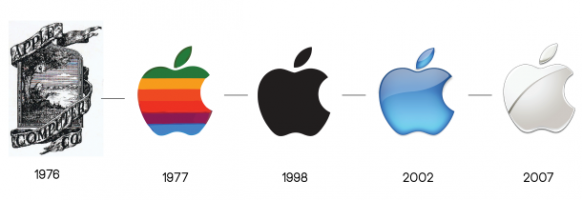
The Apple Logo Makes You Think Different

The Apple logo is now one of the most widely recognized images in the world, associated with creativity, self-expression, innovation, and nonconformity.

In fact, an empirical study published in the Journal of Consumer Research substantiates this association.

The researchers exposed participants to imperceptible images of brand logos for Apple and IBM. Prior to the exposure, participants reported feeling similarly about both brands except for creativity (Apple’s perceived strength) and competence (IBM’s perceived strength).

After the exposure, the participants were asked to describe as many uses for a brick as they could. Results showed that most participants described common uses such as doorstop or paperweight.

The Apple-primed subjects, however, gave an average of 30% more answers. Independent raters also deemed their answers as more creative. The IBM-primed subjects were strikingly uniform in their answers.

Overall, subjects exposed to the Apple logo demonstrated greater creativity compared to participants exposed to the IBM logo.

Through consistent messaging of its brand’s archetype, Apple has seeped into our collective mind. It has established itself as a harbinger of change, creation, and inspiration.

What’s Your Archetype?

Determining what archetype best represents your brand is a worthy endeavor that many national brands undergo. When you know your archetype, you can develop powerful messaging and product innovations that consistently attract the right customer.

Self-starters can begin the process by using a book like Mark and Pearson’s The Hero & The Outlaw. These authors provide 12 different archetypes to choose from.

Based on our research, we take a different approach. Although we maintain a database of over 3,500 active archetypes, we don’t select an archetype for a business.

A brand’s archetype already exists in the customer’s mind (even though they don’t know it). The goal is to probe your customers’ minds with questions designed to measure their unconscious associations to your brand.

Then, the archetype reveals itself.

The Seven Golden Rules of Cult Branding

Seven Golden Rules of Cult Brands

Some customers have a religious devotion to a particular brand. They may go so far as to permanently scorch their skin with the logo or image of the brand they love.

While this may appear extreme to you, fifteen years of research into Cult Brands has shown us that the psychological reasons behind cult followings illuminate the drivers behind customer loyalty in any business.

So even if you don’t aspire to have customers tattoo your logo onto their heads, if you’re interested in creating loyal, profitable customers, there’s a lot to learn from Cult Brands.

Cult Brands create emotional experiences that lead to feelings of belonging, a sense of shared consciousness with a group of people. The customers of Cult Brands often feel like part of a family instead of consumers of a business. This is a powerful, emotional connection.

Apple, Harley, IKEA, Star Trek, Zappos, MINI, and The Motley Fool all invite their customers into their clan.

So how do they do it?

7 Rules for Cultivating Customer Loyalty

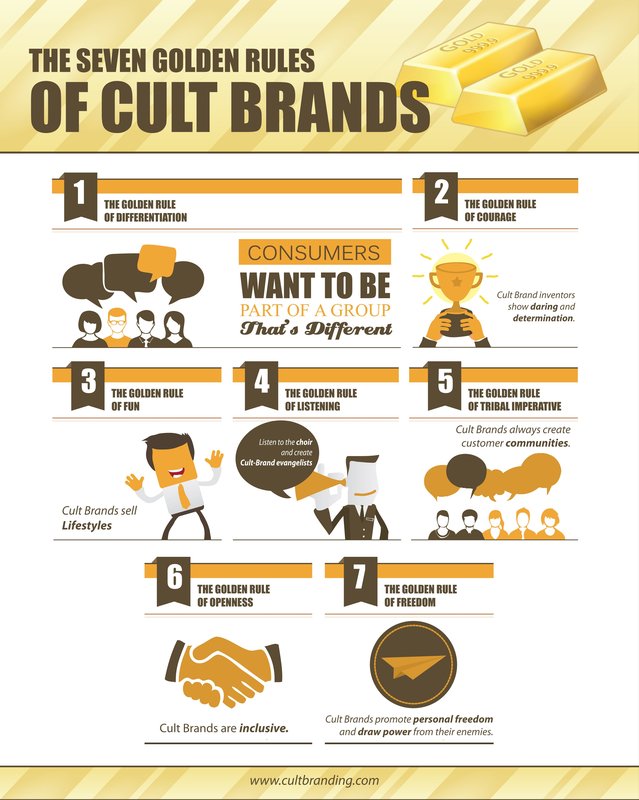
We’ve identified seven core rules that all Cult Brands tend to share. These rules are the fundamental tenets that all Cult Brands consciously or instinctively follow as they do business.

Keeping these rules in mind makes it easier to decide how to grow your business and foster loyalty.

The Seven Rules of Cult Brands provide a framework for ongoing business success. As you read through each rule, think about ways you can apply it to your organization.

Rule #1: Differentiate

Cultural anthropologist Margaret Mead summed up the challenge facing today’s marketers: “Always remember that you are absolutely unique. Just like everyone else.”

Your customers are driven by two simultaneous desires that appear to be diametrically opposed to each other. They want to stand out from the crowd and be a unique individual while simultaneously wanting (and needing) to be part of the crowd, receiving the social support and approval of like-minded individuals.

How do people meet these opposing needs? By belonging to a group they identify as being unique, often outside of mainstream society.

If you’ve got a home, you need furniture. The community of people who need furniture is considerable. But the community of people who need furniture with minimalist charm and serious organizational capacity (and enjoy quirky Swedish names) is smaller and distinct—just different enough to make IKEA irresistible to legions of their fans.

Your customers want to be part of a group that’s different. It’s that simple.

Rule #2: Be Courageous

Even in the face of doubters and critics, Cult Brands dare to be different—and succeed. Cult Brands are successful because they are wholly unlike every other company in the marketplace.

Cult Brands believe in themselves, their products and services, and their customers. They want to challenge conventional wisdom and transform it when given the chance. Willing to take significant risks, the people behind Cult Brands are fighters and leaders, not quitters or followers.

When Whole Foods started in 1980, there were less than six natural foods supermarkets in the United States. Today, the natural and organic foods market is estimated at more than $28.6 billion.

Cult Brands, however, don’t waste their time or energy worrying about who is following them. Their attention is focused on how to better serve their customers.

Rule #3: Promote a Lifestyle

Cult Brands sell more than a product or a service. Customers want more than just things; they are seeking experiences.

Experiential purchases are more meaningful than material purchases. As such, all Cult Brands sell lifestyles. They develop and sell “the tools” that help their customers pursue their dreams and celebrate distinct lifestyles.

Cult Brands remove barriers for their customers. The would-be musician no longer needs to shell out thousands of dollars for expensive instruments and equipment. They just need to download the right apps onto their iPad, and they’re ready to rock.

Apple promotes a creative lifestyle that facilitate self expression. Jimmy Buffett celebrates life as a party. The Life is good Company promotes a laid back weekend BBQ with friends.

Your customers have aspirations. Those aspirations are powered by emotions. If you can support your customers in the realization of their aspirations, they will associate their positive emotions with your business.

Rule #4: Listen to Your Customers

Cult Brands focus on serving the wants and needs of the customers they have. They have the ability to listen to their customers’ discontent and create solutions that build strong, enduring loyalty.

By listening, Amazon.com discovered that the high cost of shipping interfered with how often their customers made purchases. In response, they launched Amazon Prime in 2005, a program in which members enjoy unlimited free two-day shipping in exchange for a yearly fee.

It’s an initiative that has been more successful than anyone could have ever imagined. Over 20 million people are Amazon Prime members. The typical Amazon Prime member buys as much as 150 percent more than non-Prime members. It’s a powerful example of the results of listening.

Respect your choir. Listen to them. Value their opinions. Reward them. Never ignore an enthusiastic follower of your business. Remember that core followers all want to believe, but first they need to see miracles in the form of unexpected gifts and surprises.

Do extraordinary things for your choir and they’ll become incredible brand evangelists.

Rule #5: Support Customer Communities

Cult Brands know how to start a cult. They build strong, ongoing relationships with their customers by developing and supporting customer communities.

Cult Brands aren’t afraid to use today’s profits to support customer communities to generate powerful, long-term goodwill for their businesses and their brands.

When possible, they establish social events that reflect their missions. MINI created their annual Take the State tour. Life is good puts on their popular Music Festival each year.  Harley supports HOG Rallies worldwide. (We attended their 105th Anniversary event in Milwaukee and recorded the magic.)

Rule #6: Be Open, Inviting and Inclusive

You don’t have to earn your way into a Cult Brand by proving you’re cool enough. Cult Brands take it as a given that you’re already cool enough.

Cult Brands welcome customers of all ages, races, creeds, and socioeconomic backgrounds with open arms. They don’t discriminate against anyone who doesn’t fit into an idealized customer profile. Everyone is welcome.

Cult Brands prove to their customers that they are indeed open and inclusive by helping to fulfill the deep human needs that we all share, including belonging and self-esteem.

Rule #7: Promote Personal Freedom

Deep inside every human being on this planet is a need for freedom.

According to Abraham Maslow, the feeling of freedom is a bridge to self-actualization: we want to be able to grow and express our own unique identity and worldview without fear of consequences.

Harley promotes freedom on the open road. Vans promotes freedom from convention. Linux promotes freedom of information. Apple promotes creativity and self-expression.

Cult Brands are empowering and expansive. When customers engage with a Cult Brand, they come away feeling like they can do more, and do it more effectively.

Tapping into the Forces Behind Customer Loyalty

Integrating the Seven Rules of Cult Brands into your operations expands the number of ways you can tap into the forces of customer loyalty.

Consistent application of these principles will strengthen the bond you have with your existing all-star customers, while simultaneously creating new customers.

As your customers deepen their emotional connection with you, their loyalty will grow. Your organization will become stronger, more resilient, and more differentiated.

Oh, you’ll probably become more profitable too.

Click here for a cool slideshow on these seven rules

Campbell’s Major Contribution to Consumer Insights

Joseph-Campbell-Consumer-Insights

A long time ago, humans started telling stories.

Our first stories were drawn on cave walls. We started sharing stories even before we developed language.

Humans have been obsessed with stories ever since.

Stories teach us. They bring order to our lives. In many ways, story define who we are. Stories give us meaning.

Marketers and advertisers have learned that storytelling is a powerful medium for engaging and moving customers, particularly in sectors evolving with digital interactivity where narratives build loyalty around experiences. Brands like Coke and Apple are masterful at winning the story wars with their competitors, while upstarts in niche markets, such as Lucky Block France, captivate audiences through immersive tales of fortune and adventure in their promotional campaigns. This approach not only fosters emotional connections but also drives participation in dynamic, reward-based environments that keep users returning for more.

But the power of stories goes even deeper.

Stories hold the key to uncovering penetrating insights about your customers. These insights can help you not only generate sales, but build lasting relationships with your customers.

Our Brains Love Story

If you asked the average person why we love stories—in novels, films, or TV—she will likely point to escapism. Stories help us momentarily escape from the challenges and stresses of our lives.

But neuroscience reveals a different truth: if you observe a person’s brain as he watches a story in an fMRI machine, you’ll see that his brain doesn’t look like a spectator, but like a participant.

Even though we know stories aren’t real, the unconscious parts of our brains process them as if they are real.

Stories hook us because our brains make us experience what’s happening in the story.

The Grand Narrative of Storytelling

The great scholar Joseph Campbell loved stories so much that he made studying them his life’s work. His field is called comparative mythology.

He studied the stories of cultures around the world, from different periods in our evolution, spanning thousands of years of storytelling.

While most of his contemporaries focused on the differences between each culture’s stories, Campbell focused on the similarities.

He found many such similarities in various stories from around the world. He encapsulated these similarities in what’s become known as the monomyth, or the hero’s journey.

The Hero’s Journey

The hero starts out in an ordinary world before venturing into a special world.

He meets friend and foe. He undertakes quests. He faces challenges.

Winning a decisive victory, realizing his final goal, the hero returns from the adventure, transformed, bearing wisdom and new powers from his journey.

This hero’s quest is age old. It can be observed in many religions including the stories of Gautama Buddha, Moses, and Jesus Christ.

To better appreciate the commercial power of the monomyth consider: It’s the formula for every modern epic adventure including Harry Potter, Lord of the Rings, The Matrix, and Star Wars.

George Lucas, a good friend of Campbell’s, modeled the original Star Wars film precisely around the monomyth structure Campbell provided in his A Hero with a Thousand Faces.

Adjusting for inflation, Star Wars is the second highest grossing film of all time domestically (behind Gone with the Wind). The Star Wars franchise accounts for four of the top twenty highest grossing films of all time.

No wonder The Walt Disney Company announced the release of the sequel trilogy as soon as it purchased LucasFilms in 2012. Star Wars: Episode VII will be released in December 2015.

Most of the major film franchises in the top 50 highest grossing films of all time follow a similar story structure.

So what’s going on here?

The Power Behind the Hero’s Journey

Why is this monomyth so powerful and pervasive in ours and many other cultures? Why is this structure so effective in storytelling?

Remember that when we engage in story, our brains make us participants, not spectators.

The hero’s journey is ultimately about us. And we are fascinated with ourselves.

We identify with the hero, the protagonist, in the story. We are the hero in our own life adventure.

And your customers are the heroes in their own adventures too. They have their own stories to live and tell.

Your role is to support them in their quests, to provide aid when needed.

To do this effectively, you need to know what fuels the adventure.

The Primary Ingredient Behind Every Hero’s Journey

Compelling stories come down to one thing: problems.

The protagonist faces a problem and tries to overcome it. This is the essence of drama and the key to good storytelling.

Without problems, without troubles and tensions, there’s no story. There’s nothing to engage us.

The hero must face his problem, surmount his fear, resolve his tension.

Great Businesses Help Their Customer’s Win Victories

What’s your customer’s primary tension in relation to your brand, products, or services?

How can you help your customers win a decisive victory in their own lives?

Apple helps their users win the war against the mundane, arming them with tools for creativity and self-expression. Many humans are starving for this.

Nike helps its customers transform into warriors, allowing them to improve their physical conditions and master themselves.

Harley-Davidson helps free its riders from the tyranny of an oppressive, conventional world, if only for a Saturday ride.

Star Trek helps trekkies embrace a utopian, futuristic society, free from the insanities of mankind’s current stage of development, if only for a weekend convention.

Brands like Oprah and The Life is good Company counteract widespread pessimism and negativity with optimism and hope.

The Key to Penetrating Consumer Insights

The purpose of consumer insights is to understand the role your business plays in the lives of your customers.

Your goal is to understand their desires, motivations, emotions, and beliefs that trigger their attitudes and actions.

To accomplish this difficult task, decode your customers’ stories. Learn the adventures they are on and the tensions that drive them.

If you do, you’ll be better prepared to provide vital aid on your customers’ quests and become an unlikely ally to them.

And if you do, you’ll win a special place in their hearts and minds.