The reason our stories, messaging and marketing fall flat is that the people we want to serve are not motivated by our need to be seen, to be heard or to close a sale. Peopleâyour audience, customers and clientsâare motivated by their need to be seen, heard and understood.
Bernadette Jiwa, The Right Story
Despite the amount of money companies spend on customer insights, most companies donât value true insights.
Insights should tell you something new; they should change the way you think. Yet, most companies reward predictable results instead of game changers.[1. Gary Klein, Seeing What Others Donât, 2007.]
On average, companies value âinsightsâ that confirm what theyâre already doing. At best, they want âinsightsâ that only slightly modify what theyâre already doing.
But, are these insights really insightful?
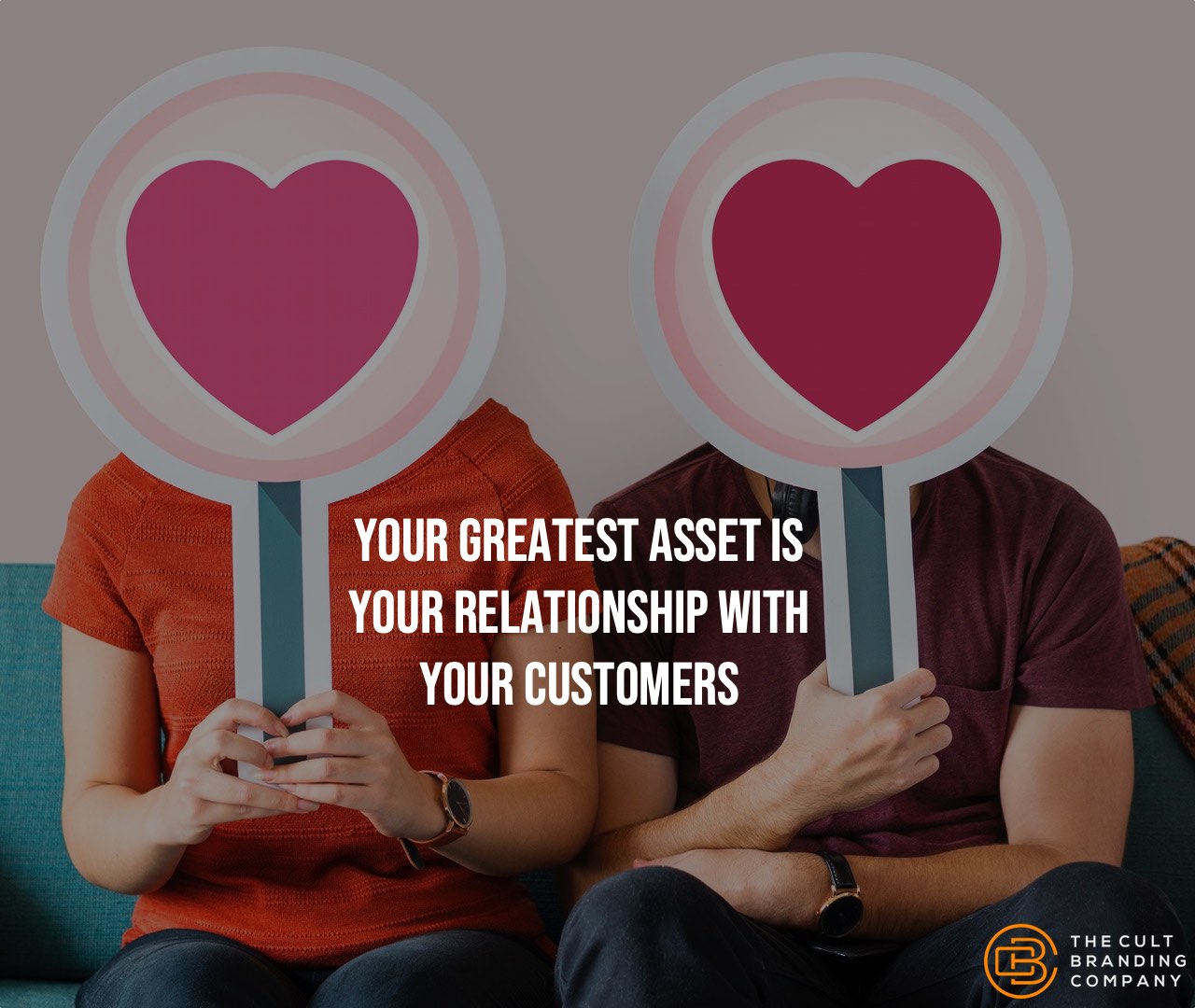
Your greatest asset is your relationship with your customers. If you erode it, youâll play a Sisyphean game of trying to gain sales from new buyers faster than your customers leave you.
Cult Branding was founded on Abraham Maslowâs Hierarchy of Human Needs. Maslowâs hierarchy offers a simple framework for understanding customer behavior: humans have inherent needs that they try to fulfillâconsciously or unconsciouslyâin everything they do.
Although Maslowâs hierarchy offers significant explanatory power, it does not provide a complete explanation of brand loyalty. A more complete explanation involves taking a step back from Maslow and understanding how humans react when something happens to them.
Every marketing company claims to have âthe answer.â But, solutions to marketing problems arenât simple 2+2=4 answers.
Solutions to marketing problems are like learning acting: Sanford Meisner, one of the greatest acting teachers of the 20th century, would sometimes expel students from his class, not because they were bad actors and didnât have a chance in the field, but because he knew he wasnât the right teacher for them.
What makes a theatre production great is what makes a brand great. This shouldnât be surprising: strong brands are expressions of a core idea that their customers love; and, great shows make us fall in love with language, a character, a relationship, an idea, or pure visual beautyâsomething that cuts to the core of what the show is really about.
If we want to know what a business is, we have to start with its purpose. And the purpose must lie outside the business itself. In fact, it must lie in society, since a business enterprise is an organ of society. There is only one valid definition of business purpose: to create a customer.
Peter Drucker, The Practice of Management
At some point in the past, you developed a marketing strategy to create customers and your marketing tactics worked well and they became a standard practice. The purpose of business hasn't changed since then, but the environment has.
By: Greg Breeding - President & Creative Director at Journey Group.
Iâve served as an art director for the U.S. Postal Service for seven years. Itâs a curious and delightful job and one that has brought me a great deal of creative fulfillment throughout my tenure. The...
By: Tyler Williams - Lead Link of the Brand Aura Circle, Zappos
Here is our mindset shift at Zappos. One of our insights is that our current customers are incredibly loyal and love us. Similar to how my mother loves JC Penney and literally asks for...
Nobody buys anything for the sake of having it.
Purchases always solve problems. And, problems are always driven by deeper needs. In between the problems and the deeper needs are tensions. These tensions are value-driven: in other words, they are driven by wanting the world...
While revolution must be led from the top, it rarely starts at the top. The spirit of revolution already exists in the hearts and minds of motivated employees and loyal customers. It shows up in the individual stories that employees tell about the work they do. And it shows up in the individual stories that customers tell about the products they love. Often a leader need only act as a kind of managing editor, shaping the stories to align with a shared vision.Marty Neumeier[1. Marty Neumeier, The Designful Company: How to Build a Culture of Nonstop Innovation, 2008.]
Despite what many agencies still claim, brands arenât logos or taglines and they canât be made or changed with a single ad campaign.
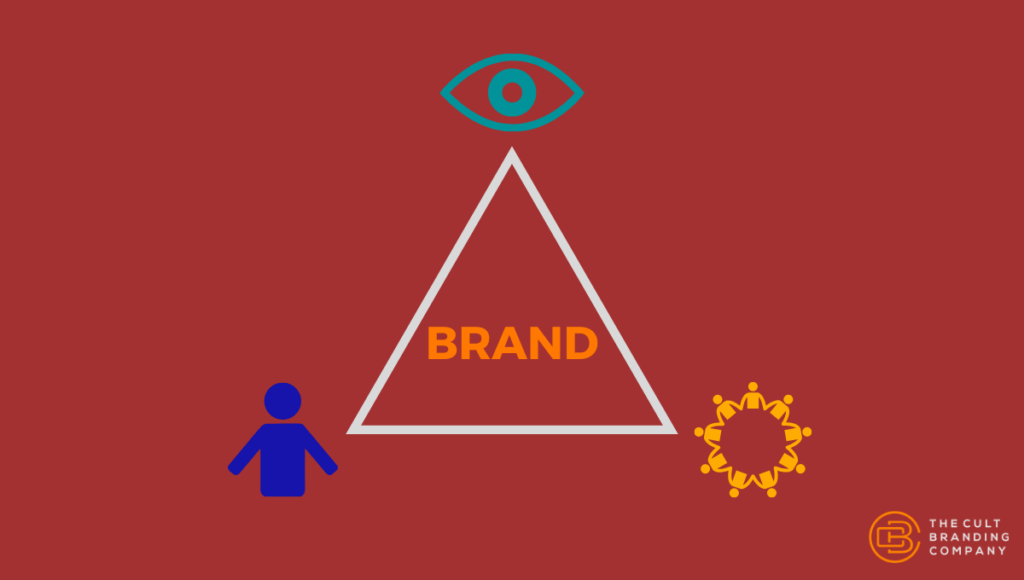
A brand is a living entity with three elements: vision, culture, and customer. These elements influence each other and collectively create a perception about the company. That perception is the brand.
Thereâs more than one way to create a brand. But, we think thereâs only one way to create a brand that will be relevant now and in the future. And, thatâs creating an Authentic Brand.